




HPL (High Press Laminate) panels are a high-strength material. They were invented by two American engineers Herbert A Faber and Daniel J O'Conor more than 100 years ago. They were developing a material that could replace mica used in radio electronics, electrical engineering, etc. Thus, they created the plastic that we now use in construction.
HPL panels began to be used in the field of decoration in 1930. They also began to be used in the lining of trains, airplanes, and liners. It was then that the material began to be recognized as a product worthy of attention. These were the first important steps in the product's development.
The use of such panels in building facades began in 1961. At that time, they gained attention not only for their appearance but also for their practicality. These panels did not require gluing, which made it easy for craftsmen to work with this material. This made it possible to fully work with it and perform various operations.
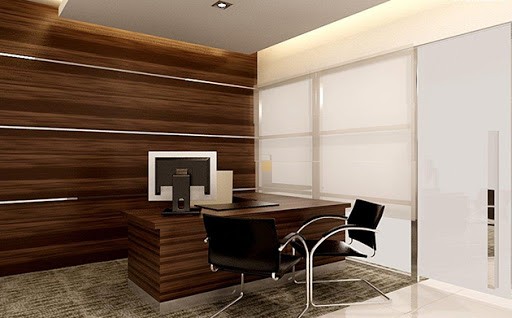
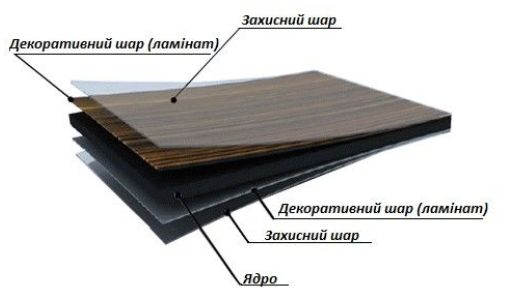
The top layer of the panel (overlay) is a transparent film made of special synthetic resins. The function of this layer is to protect the layers of decorative paper from the negative effects of moisture, fading, and pollution. After that, there is a layer of specially framed decorative paper. This allows you to vary the appearance of the facades, for example, to imitate different materials: wood of different species, stone, cork. The third layer is the core of the HPL panel. It is a sheet material consisting of several resin-impregnated cellulose sheets. This layer is designed to make the panel strong and rigid, to resist shock and moisture.
Although panels were invented quite a while ago, their popularity is constantly growing. This is definitely not due to advertising, but to their quality characteristics:
- high strength, surface hardness, impact resistance;
- high chemical and biological resistance;
- high fire resistance;
- resistance to water and water vapor;
- resistance to fading, frost, and ultraviolet radiation;
- anti-vandalism (easy to clean, impossible to scratch,
- damage to the protective coating);
- impermeability to microorganisms, resistance to mold;
- environmental friendliness;
- esthetic appearance;
- a wide range of colors, surface textures, and the ability to create individual decor. Although HPL panels are considered an expensive material, their durability and beauty cover the resources used.