




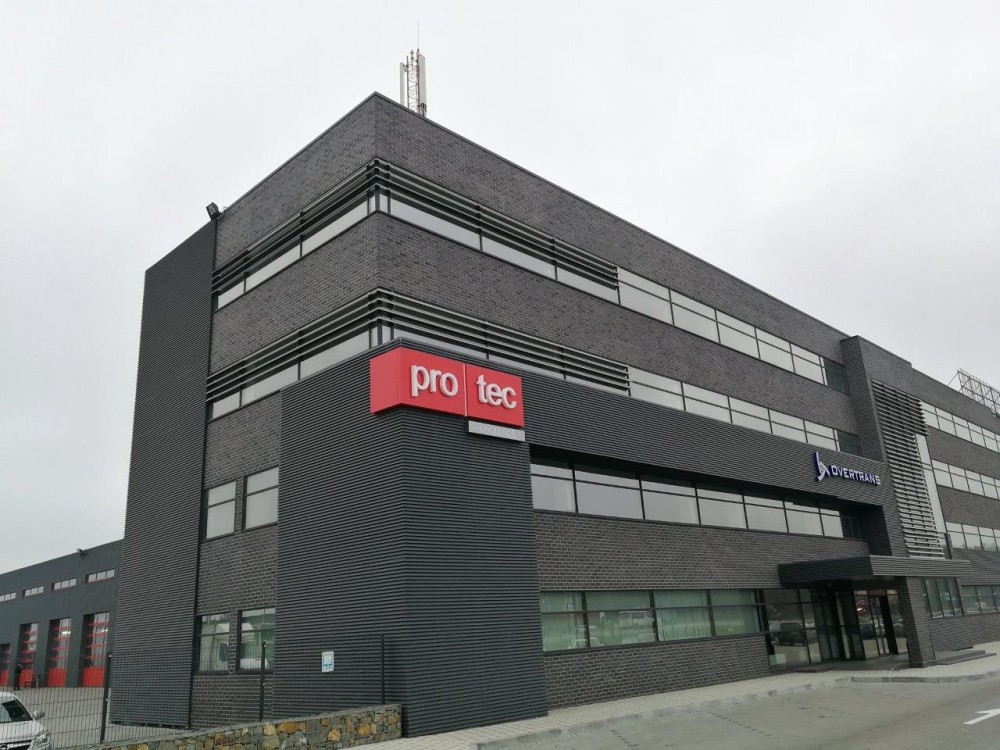
What is a ventilated facade?
A ventilated facade (ventfacade) is a modern building cladding technology that consists of a multi-layered structure with several main components: a load-bearing frame, a thermal insulation layer, and an external cladding (in the form of cassettes, siding, etc.). An air gap (usually 20-50 mm) remains between the insulation and the cladding, ensuring natural ventilation through the "chimney effect." The airflow, generated by wind action, enters the ventilation gap from below, moves along the building wall, and exits at the top of the ventfacade. This system effectively removes moisture from the insulation and walls, creating an optimal microclimate and preventing mold formation. Ventilated facades are widely used in both private home construction and commercial projects. Leading companies specializing in the installation of such systems guarantee long service life with minimal maintenance costs. With proper calculation and installation ventilated facades provide reliable protection from adverse weather conditions and significantly improve the appearance of the building.Ventilated facade design
The design of a ventilated facade is a multifunctional system consisting of several interconnected components, each playing a specific role in ensuring the system's efficient operation—from maintaining the building's exterior appearance to providing protection against adverse weather conditions and internal moisture processes.
Main elements of a ventilated facade:
Supporting subsystem (frame)
This is the main structural frame that holds the cladding panels and provides the necessary ventilation gap. It usually consists of:
- • Brackets – are attached to the load-bearing wall using anchors and serve as the basis for the profile system.
- • Vertical and horizontal guide profiles – aluminum or steel structures to which facing panels are fixed.
- • Thermal break gaskets – installed between the brackets and the wall to reduce thermal conductivity.
The subsystem determines the durability and strength of the entire facade, so it is important to use high-quality materials and correct load calculations.
Thermal insulation layer
Responsible for the energy efficiency of the building, protects against heat loss in winter and overheating in summer. Used for:
- • Mineral wool is the most popular material, has excellent vapor permeability and non-flammability.
- • Expanded polystyrene (EPS, XPS) is a lightweight insulation material with good thermal insulation properties, but is less vapor-permeable.
- • Fiber cement boards – provide additional sound insulation and strength.
Thermal insulation is attached with plate dowels, and a waterproof and windproof membrane is often installed on top of it.
Exterior facade cladding
The finishing layer that defines the exterior of the building and protects it from the elements. The cladding is attached to the subsystem mechanically or adhesively, depending on the material chosen.
Fasteners
Includes all the parts necessary for a reliable connection of the structure:
- • Anchors and dowels – for attaching brackets to the wall.
- • Rivets and self-tapping screws – for fixing cladding panels to profiles.
- • Clamps (fixtures) – hidden fastening for some types of cladding.
- • Adjustable fasteners – allow you to compensate for uneven walls.
The choice of fasteners affects the strength and durability of the facade system.
Selected elements
Final details that ensure the tightness and aesthetics of the facade:
- • Corner profiles – for protecting and decorating external and internal corners.
- • Ebbs – installed above windows and doors to drain water.
- • Decorative overlays – hide the joints between panels.
- • Ventilation grilles – ensure air circulation between the insulation and the cladding.
These elements not only complement the design, but also improve the performance of the facade.

Types of cladding for ventilated facades: advantages and disadvantages
Clinker tiles
This is a facing material made of natural clay that is fired at high temperatures.
Advantages:
- • High strength and durability (lasts 50+ years).
- • Resistance to moisture, frost and ultraviolet light.
- • Does not fade and does not require maintenance.
- • Large selection of colors and textures.
Disadvantages:
- • High cost of material and installation work.
- • The weight of the tile requires a strong supporting subsystem.
- • Limited tile size, which makes installation difficult.
Glass
Tempered or laminated glass is used to create modern facades.
Advantages:
- • Stylish, aesthetic appearance.
- • High light transmission, saving on lighting.
- • Possibility of using energy-saving glass.
- • Easy care (glass does not fade or rust).
Disadvantages:
- • High cost of materials and installation.
- • Requires special design for mounting.
- • Can lose heat in winter without special coating or triplex.
HPL panels
High-quality decorative panels made of paper impregnated with thermosetting resins under high pressure.
Advantages:
- • High resistance to mechanical damage and weather conditions.
- • Wide range of colors and the ability to imitate various materials.
- • Durability (service life 25+ years).
- • Ease of installation and maintenance.
- • Environmental friendliness and fire safety.
- • Resistance to UV radiation and temperature changes.
Disadvantages:
- • Relatively high cost of the material.
- • Need for professional installation.
- • Limited maintainability (difficult to replace a single damaged area).
Incorrect installation may cause deformation of the panels.
Artificial stone
The material that imitates natural stone is made based on cement, gypsum or polymers.
Advantages:
- • Lighter than natural stone, which simplifies installation.
- • More affordable price compared to its natural counterpart.
- • Wide palette of colors and textures.
- • Weather resistance.
Disadvantages:
- • Lower strength compared to natural stone.
- • Some species require additional protection from moisture.
- • Possibility of fading under the influence of ultraviolet light.
Ceramic granite
A high-strength material made by pressing and firing clay with minerals.
Advantages:
- • High mechanical strength and scratch resistance.
- • Low water absorption, not afraid of frost.
- • Large selection of textures (imitation of wood, concrete, stone).
- • Durability (service life of 30+ years).
Disadvantages:
- • Heavy material that requires a reliable substructure.
- • High price and complexity of installation work.
- • Fragility when impacted – risk of damage during transportation.
Metal facade cassettes
These are aluminum or steel panels covered with polymer or powder coating.
Advantages:
- • Light weight with high strength.
- • Durability (aluminum cassettes are not susceptible to corrosion).
- • Modern appearance, can be painted in any color.
- • Quick installation and the ability to replace individual elements.
Disadvantages:
- • High cost (especially aluminum panels).
- • Metal panels can heat up in the sun.
- • Possibility of scratches or damage to the coating.
Siding
Facing material in the form of panels made of vinyl, metal or fiber cement.
Advantages:
- • Affordable price and easy installation.
- • Lightweight material, does not burden the building structure.
- • Vinyl siding does not require painting, while metal siding is corrosion resistant.
- • Large selection of colors and styles.
Disadvantages:
- • Vinyl siding is sensitive to mechanical damage and temperature changes.
- • Metal siding can be damaged by impacts.
- • Fiber cement panels are heavier and more expensive.
Wooden facade panels
Environmentally friendly material made from natural wood, treated to increase durability.
Advantages:
- • Natural and stylish appearance.
- • Good heat and sound insulation properties.
- • Possibility of restoration and painting.
Disadvantages:
- • Requires regular maintenance (impregnation against moisture, fungus, insects).
- • Flammability (additional fire protection treatment required).
- • Higher cost of quality wood panels.
Composite panels
They consist of aluminum sheets with polymer or mineral filler.
Advantages:
- • Lightweight and durable, easy to install.
- • Large selection of colors, including mirror and matte options.
- • Good resistance to corrosion and weathering.
- • Ability to create complex architectural forms.
Disadvantages:
- • High price of quality composite panels.
- • The polymer filler in some versions may be flammable.
In case of mechanical damage, it may be difficult to replace individual panels.
Stages of installation of ventilated facades
The installation of ventilated facades involves several key steps that ensure proper installation and efficient operation of the system. Here are the main steps for installing a ventilated facade:
- Surface preparation:
- • Clean the walls of dirt and old finishes.
- • Correct surface defects.
- • Treat the walls with an antiseptic primer to prevent the development of fungus and mold.
- Installing the supporting frame:
- • Fasten the support brackets to the wall through a thermal spacer to avoid cold bridges.
- • Use brackets made of high-quality structural steel with a protective zinc coating.
- Laying thermal insulation:
- • Use mineral wool as insulation. It is highly effective in ventilated facades.
- • Lay the insulation boards tightly together, starting with the bottom row.
- • Secure the insulation with special plate dowels.
- Creating an air gap:
- • Install load-bearing purlins to form an air gap between the insulation and the cladding.
- • This gap provides natural ventilation and moisture removal from the insulation.
- Exterior cladding:
- • Choose a facing material depending on design requirements and budget (clinker tiles, artificial stone, metal cassettes, etc.).
- • Fasten the cladding to the frame using concealed or visible fasteners.
- Installing optional elements:
- • Add ebbs, slopes, and other decorative elements to complete the facade's appearance.
- Inspection and maintenance:
- • Regularly check the system for damage and moisture.
- • Take preventive measures to ensure the durability of the facade.
To ensure the quality and safety of the work, it is recommended to contact experienced specialists.
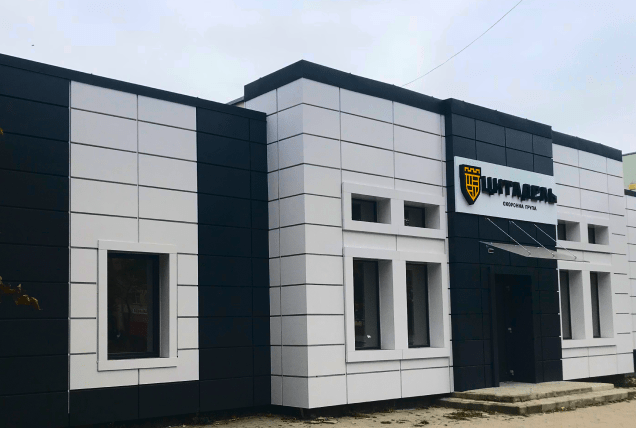
Where to order a ventilated facade?
Ordering a ventilated facade is an important step in the building cladding process. To ensure quality and reliability, it is recommended to turn to experienced companies that offer a full range of services, from design to installation and maintenance. One such company is Favorbud, which provides modern materials and technologies for ventilated facade installation. The company ensures high-quality and reliable installation while offering a personalized approach to each project, including measurements, design, and warranty service.