Types of glass and aluminum profile facades
Glass-aluminum facade systems are a flexible architectural solution that allows you to implement both standard and non-standard projects of any complexity. The choice of construction type depends on the functional purpose of the building, aesthetic requirements, energy efficiency, and technical parameters.
The most common types of translucent structures:
Frame and transom system
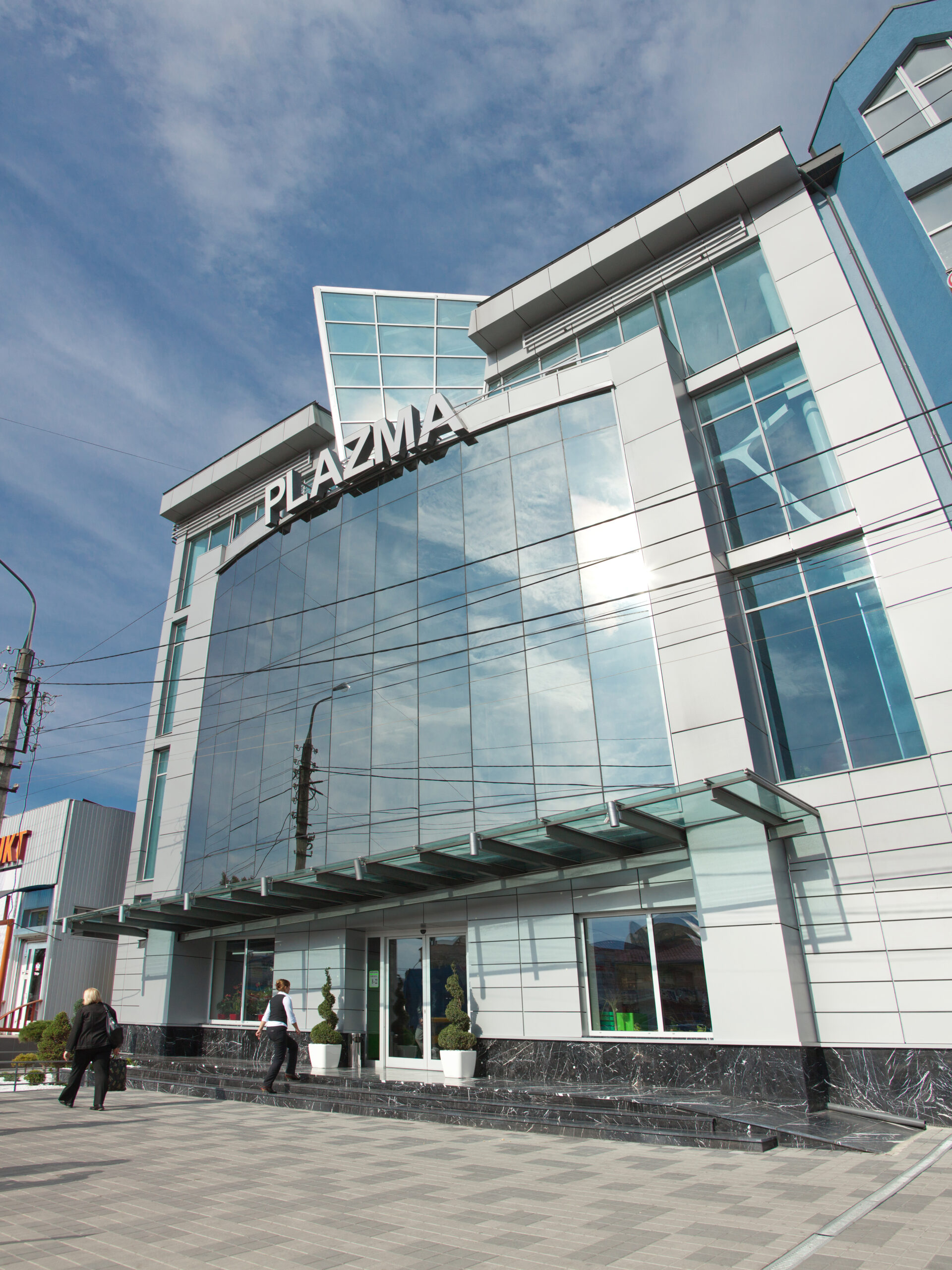
A classic version of facade glazing with visible aluminum frame elements. It provides reliable rigidity and is suitable for projects with large glazing areas. It is characterized by affordable cost and ease of maintenance.
Structural glazing
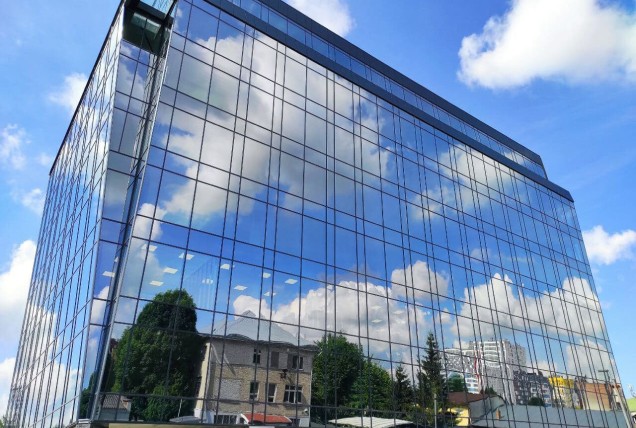
The glass is mounted without profiles visible from the outside, which creates the effect of a solid glass surface. An ideal solution for office centers, shopping malls and office buildings where modern architectural aesthetics are important.
Semi-structural glazing
A compromise between a classic and structural system - the aluminum frame is partially hidden, which allows for an elegant look while maintaining installation flexibility.
Panoramic glazing
It is used for residential and public buildings where visual contact with the environment and maximum access to light are important.
Spider glazing
The glass panels are attached to the supporting structure using special point fixings (spider brackets), without the use of traditional aluminum profiles. This solution ensures maximum transparency of the facade, visual lightness and a modern look. It is used mainly for entrance groups, shop windows, showroom and hall facades.
Facades with integrated elements
Combine a translucent shell with functional elements to provide natural ventilation, access or evacuation.
Modular facade systems
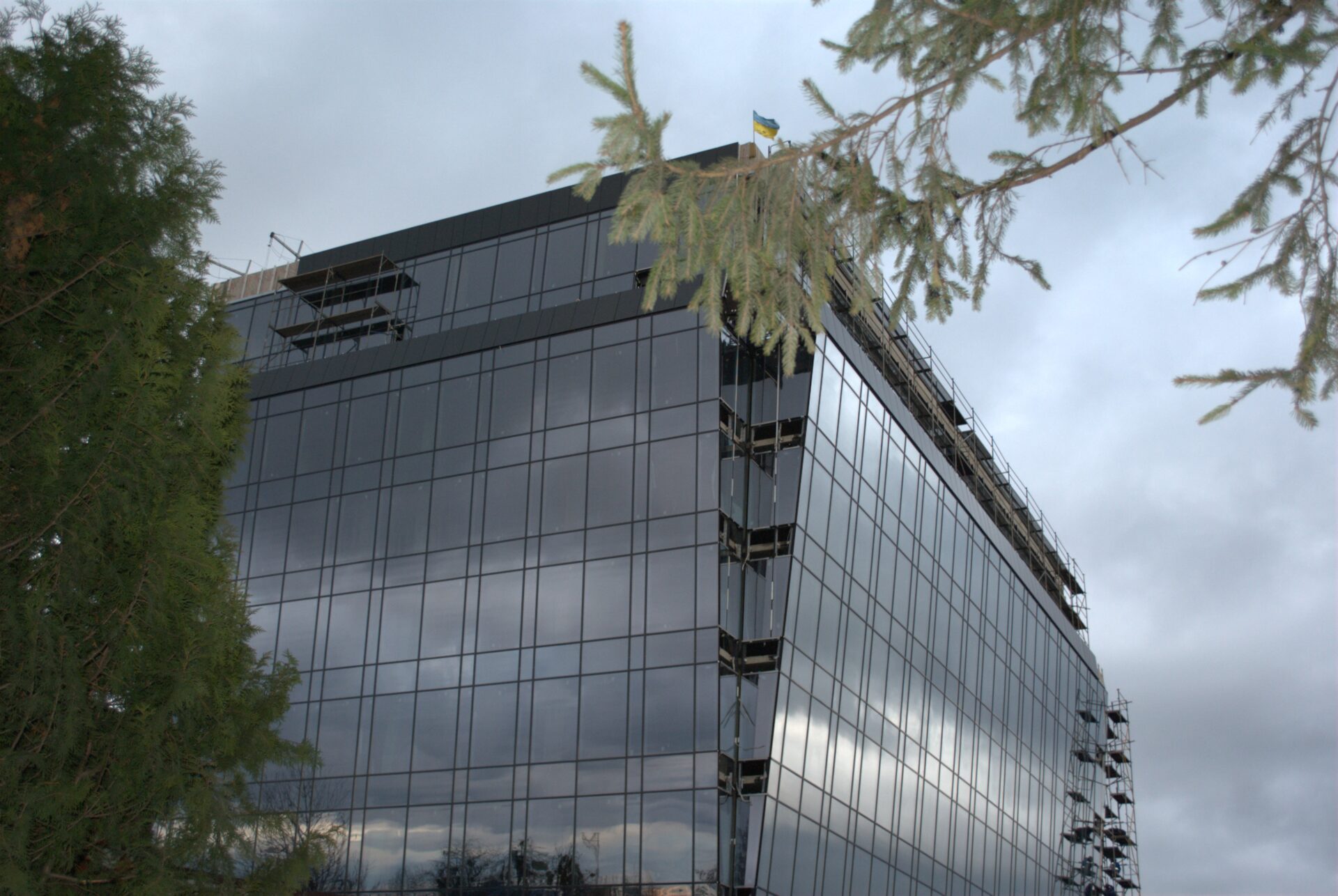
They consist of pre-assembled blocks (modules), which significantly reduces the time of installation on site. Relevant for high-rise construction.
Each type of structure is implemented taking into account the requirements for thermal insulation, airtightness, wind load, and architectural design. FavorBud offers engineering solutions based on proven systems and helps to adapt structures to specific projects.
Types of glass for facade glazing of buildings
Choosing the right glass is a key step in designing facade systems. Glazing affects not only the appearance of the building, but also its energy efficiency, safety, acoustics, and indoor comfort.
The following types of glass are most often used for facade glazing:
Tempered (tempered) glass is 5-6 times stronger than ordinary glass, resistant to mechanical stress and temperature changes. When broken, it breaks into safe fragments.
Triplex (laminated glass) - provides increased security and protection against vandalism. In the event of damage, it remains on the film and does not crumble.
Glass with energy-saving coating (Low-E, multifunctional) - minimizes heat loss in winter and overheating in summer. An important element for projects with high energy efficiency requirements.
Tinted or mirrored glass (reflex/stopsol) - used to control sunlight, create privacy and a spectacular appearance.
Noise-insulating glass is relevant for buildings located near highways, railways, or in dense urban areas.
Smart glass (with adjustable transparency) is a modern solution for innovative projects where flexibility in controlling light and privacy is important.
In many cases, it is advisable to use energy-saving multi-chamber double-glazed windows that combine several functions - security, heat and noise insulation, and sun protection.
The FavorBud team helps to choose the optimal type of glazing, taking into account architectural tasks, climatic conditions, DBN norms and project budget.

 English